



The War of 1812 is one of those history class blurbs most people promptly forgot—something about a second war with Britain? Burning of the White House? Andrew Jackson and a battle that happened after the war ended? Yeah. Confusing.
But zoom in on Northern Ohio, and the story gets a lot juicier.
Let’s rewind.
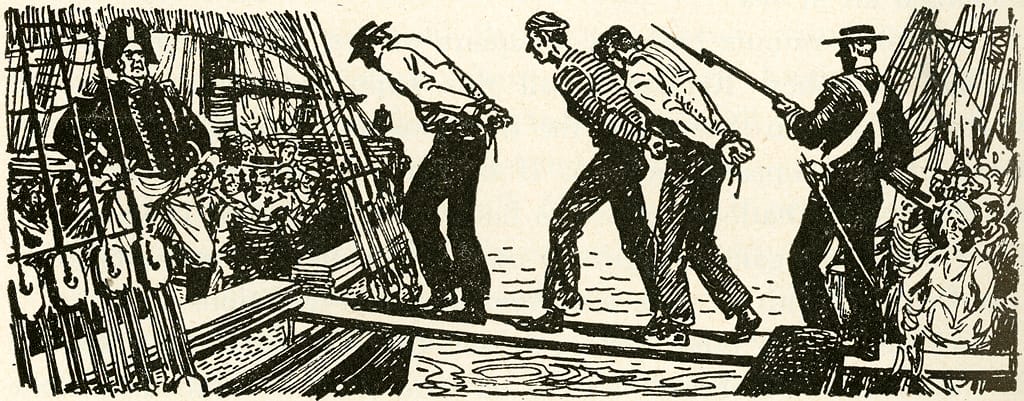
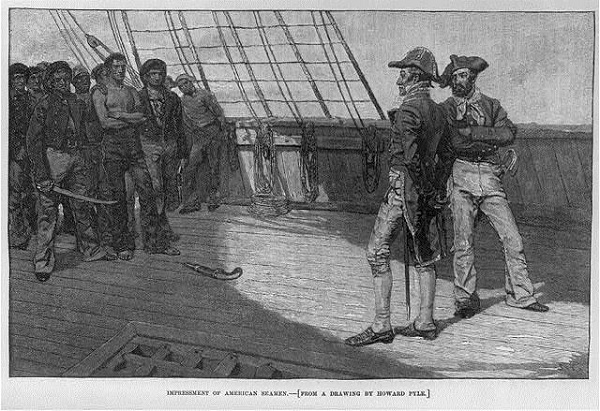
It’s 1812. The United States is barely out of diapers as a nation, and tensions with Britain are heating up—again. British warships are stopping American ships, yanking U.S. sailors off the decks, and forcing them to serve in the Royal Navy.
Yep, you read that right, and boy did it piss off the Americans.
This practice, called “impressment,” felt like a punch in the gut to a country still trying to prove it had a spine. On top of that, the British were cozying up with Native American nations in the Great Lakes region, backing resistance against American westward expansion—something the U.S. had set its sights on hard.
So, we go to war.
📣 What It Felt Like: “Your Son Has Been Taken”
Imagine this: your brother, your husband, or your teenage son takes a job on a merchant ship to help support the family. He sets sail on a quiet summer morning.
A week later, a letter arrives—or worse, a neighbor comes knocking—to say his ship was stopped by the British.
And just like that, he’s gone.
No trial. No warning. Just dragged off at sea, handed a musket, and forced to fight under a foreign flag for a king he doesn’t recognize. You might never hear from him again.
Seems fine.
This wasn’t just about sailor politics—it was kidnapping. And the British claimed they were just reclaiming their own deserters, but most of the time, these were naturalized U.S. citizens or even American-born men.
As many as 6,000 Americans were impressed into service this way.
This number may have been wildly inflated by politicians who supported going to war, but even if the number was only in the hundreds, it was still (understandably) enough to enrage the American population and spur them toward supporting another war.
It felt like the ultimate insult to a brand-new nation: barely out of revolution (where hello, we totally won), and your old colonial ruler is still treating you like property.
It lit a fire in people. A bitter, seething resentment that turned into calls for war.
Seems like we just did this but…💂♂️
Ohio—still a frontier at the time—became one of the main theaters of the war. British forces and their Native American allies had already captured Fort Detroit. Next stop: Fort Stephenson in present-day Fremont, Ohio.
It was lightly defended, and by all logic, doomed.
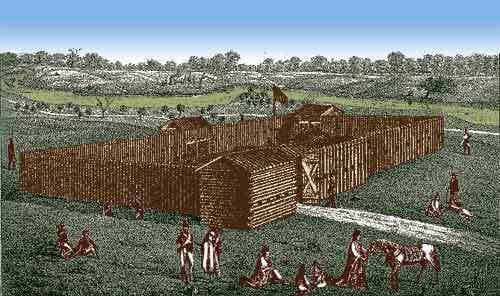
Except for one thing.
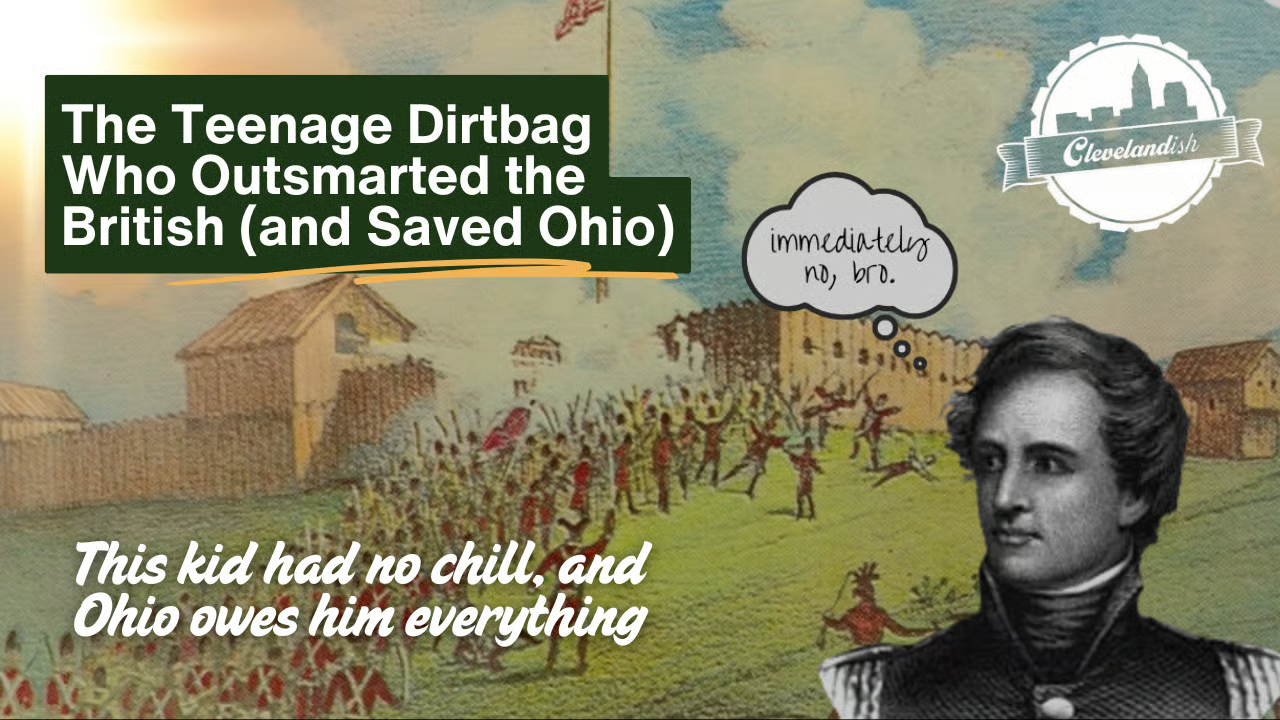
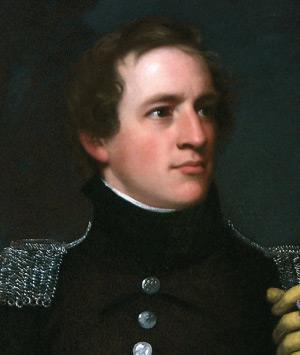
Enter George Croghan. Age 21. Basically still a kid.
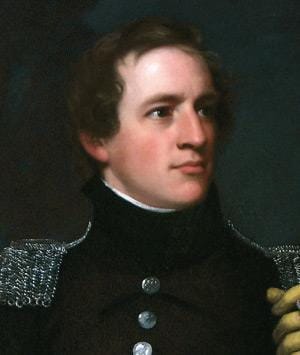
Ok, so maybe ‘kids’ were a little different back then…
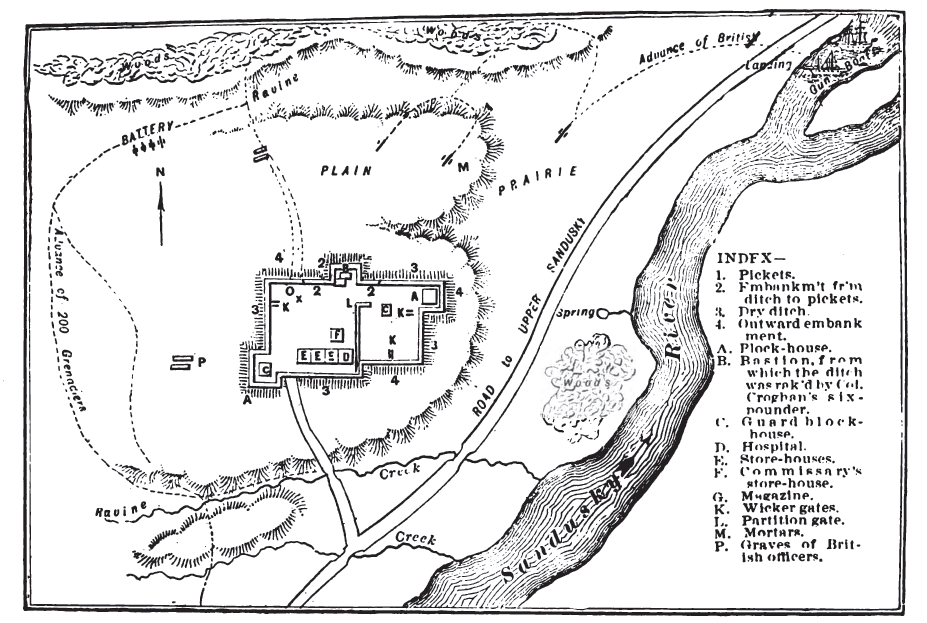
Croghan was left in charge of Fort Stephenson with just 160 men and a single cannon (yep, just the one) named “Old Betsy” when he got word that around 1,300 British soldiers and Native allies were coming.
Commanders ordered him to abandon the fort.
Croghan's response?
Absolutely not.
He dug in—literally—and refused to back down.
Read more about why Croghan refused to follow orders and how he got away with it here:

🎯 Why Croghan Won: Betsy, Move Over
👉 Now here’s where the story gets good.
Remember that single cannon? Well, Croghan knew one wouldn’t be enough if it stayed put.
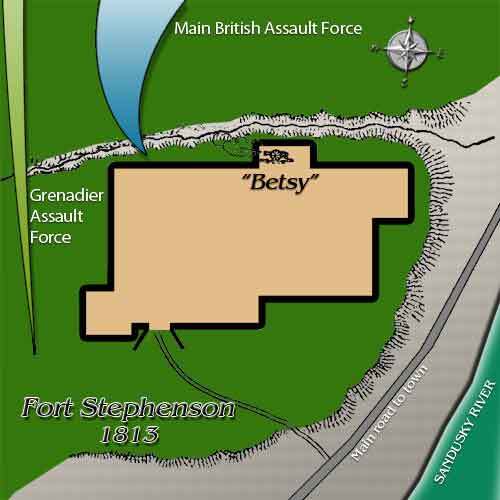
So after firing the old gal several times from different locations to create the illusion of more firepower, he had “Old Betsy” secretly moved under cover of night and hidden at the most strategic point in the fort—right where he believed the British were most likely to break through.
When the British attacked the next day, they aimed for what they thought was a weak spot.
Surprise.
“Old Betsy” tore through their ranks at point-blank range. The British were expecting an easy breach. Instead, they walked right into a meat grinder.
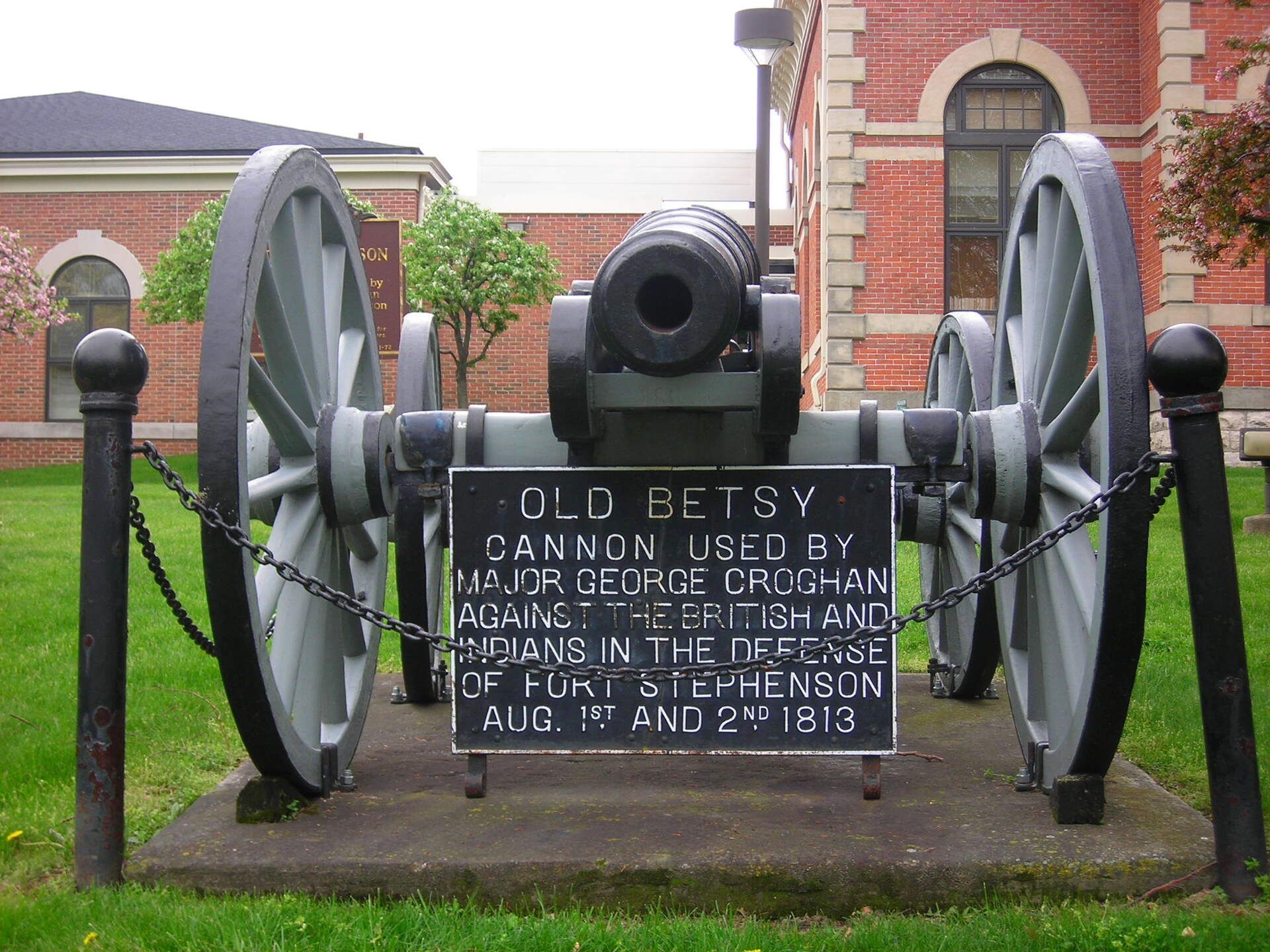
Isn’t she a beaut?
Croghan’s men also used rifle fire from loopholes and trenches to pick off attackers while staying protected. They were outgunned, outnumbered, and surrounded—but their tactics were razor-sharp.
After just 30 minutes, the British called it. They pulled back, humiliated, leaving behind dozens of their dead.
The Americans lost one man. One.
It was a wild upset. The victory was seen as a turning point for morale in the Old Northwest. Croghan was hailed as a national hero. The British, stunned, scaled back their plans in Ohio.
And this time, it was our little fort that made the front page. (O-H!)
Now, big picture: The War of 1812 didn’t really have a winner, which is probably why everyone forgets the details.
The Treaty of Ghent in 1814 basically said, “Let’s pretend none of this happened.” And the British were rather distracted by a little guy named Napoleon.
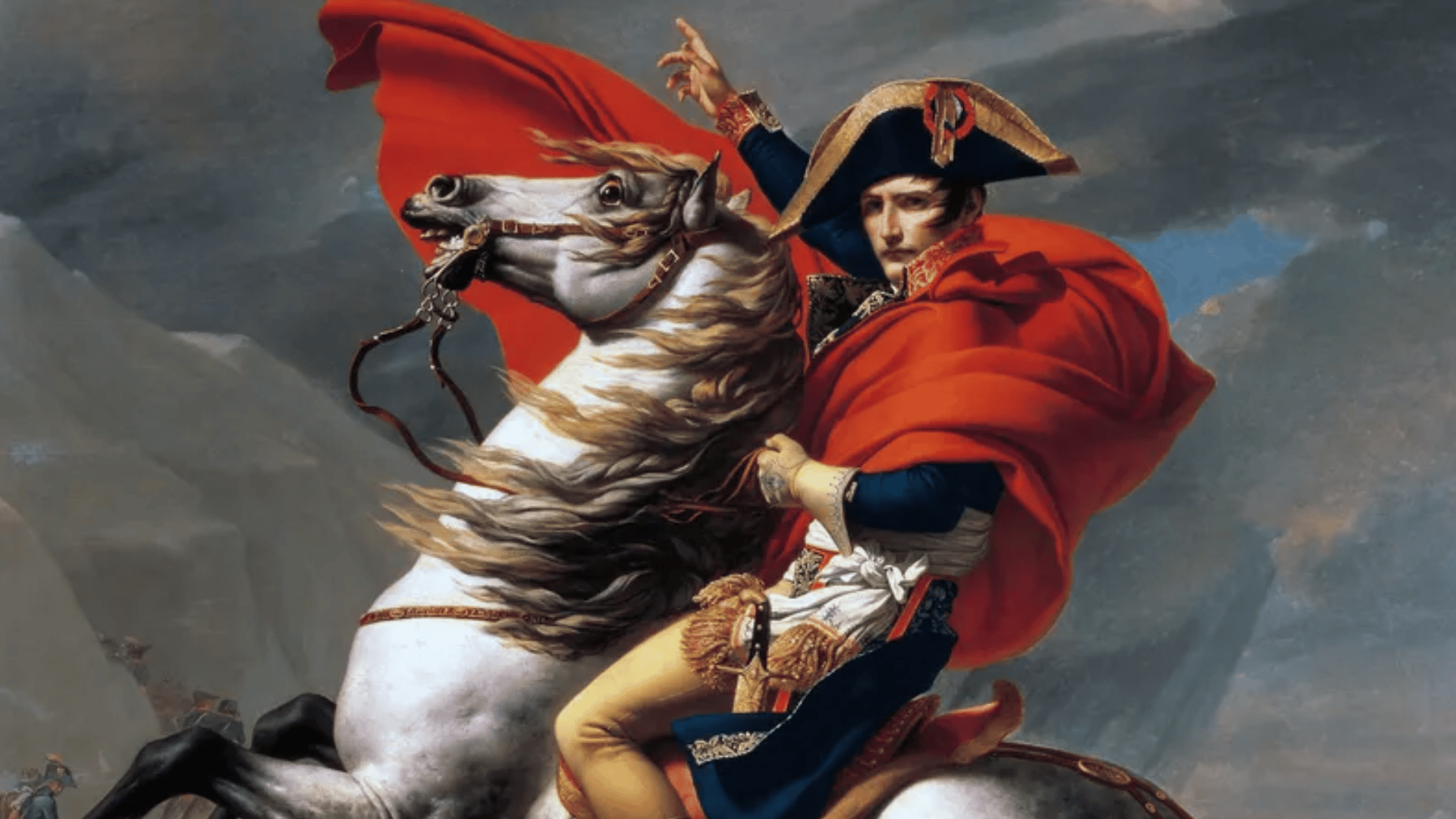
I can see how that would be distracting…
But for Americans, especially in places like Ohio, the war contributed to a new wave of nationalism—and gave political cover for expanding westward into Native American lands, weakening tribal coalitions and taking more territory.
It’s a complex and often tragic part of our history that’s worth acknowledging, even as we honor moments of bravery like Fort Stephenson.
So if you ever find yourself in Fremont, Ohio, stop by the battlefield and picture a young 21-year-old standing behind a single cannon, outnumbered ten to one, with the weight of a fledgling nation on his shoulders.
And refusing to flinch.
🧠 Wanna Nerd Out More? Free Gift! 👇
If you're a history nerd like me, or just love learning more about what Ohio has to offer, you’ll wanna check out this awesome bucket list I made for you! It’s full of cool historic places to visit all over Ohio, and I know you’re gonna love it…

✅ Here’s where I fact-checked this week’s Nugget:
The 10 Things You Didn’t Know About the War of 1812
Why did the country really go to war against the British? Which American icon came out of the forgotten war?
www.smithsonianmag.com/history/the-10-things-you-didnt-know-about-the-war-of-1812-102320130/#:~:text=For%20roughly%20a%20century%2C%20the,Been%20a%20Trumped%2DUp%20Charge
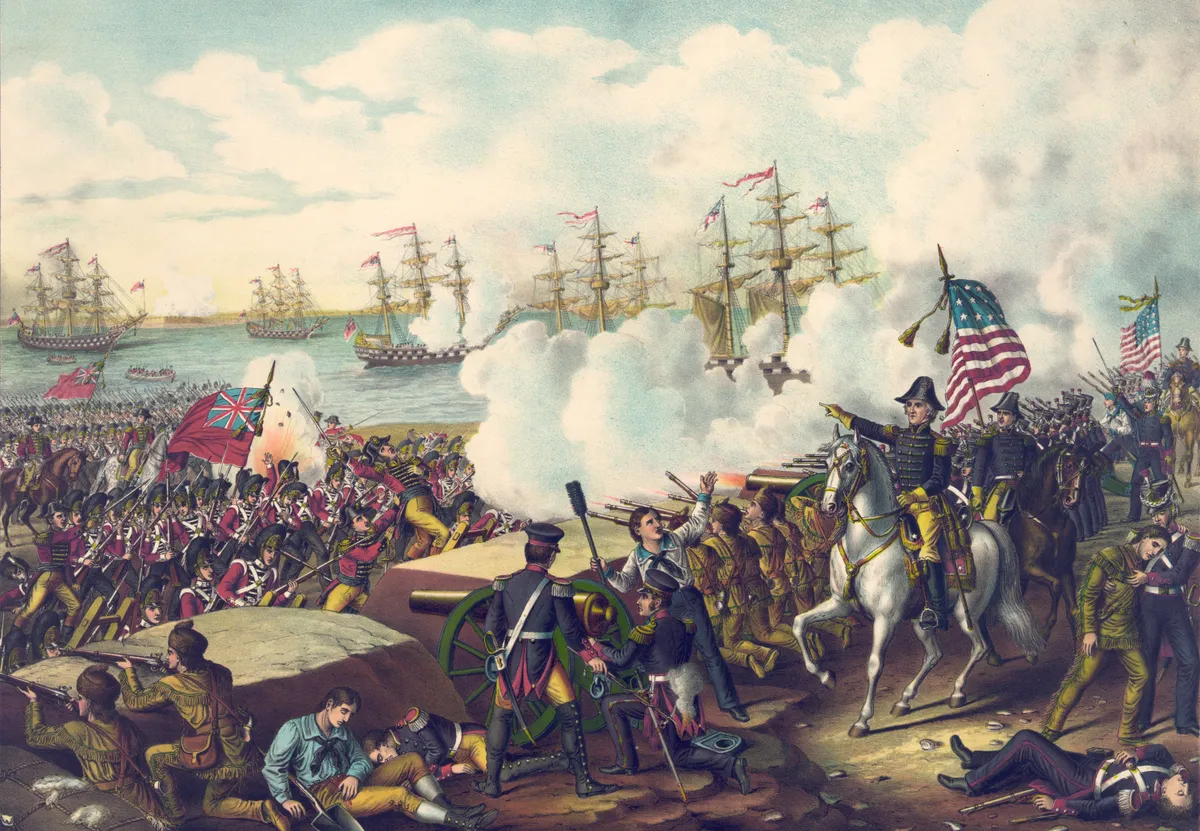
War of 1812 Chronology (1812-1815) - USS Constitution Museum
The War of 1812 began with the United States’ declaration of war against Great Britain on June 18, 1812. Although the war officially ended when. . .
ussconstitutionmuseum.org/major-events/war-of-1812-chronology/#:~:text=The%20War%20of%201812%20began,treaty%20had%20not%20been%20received.
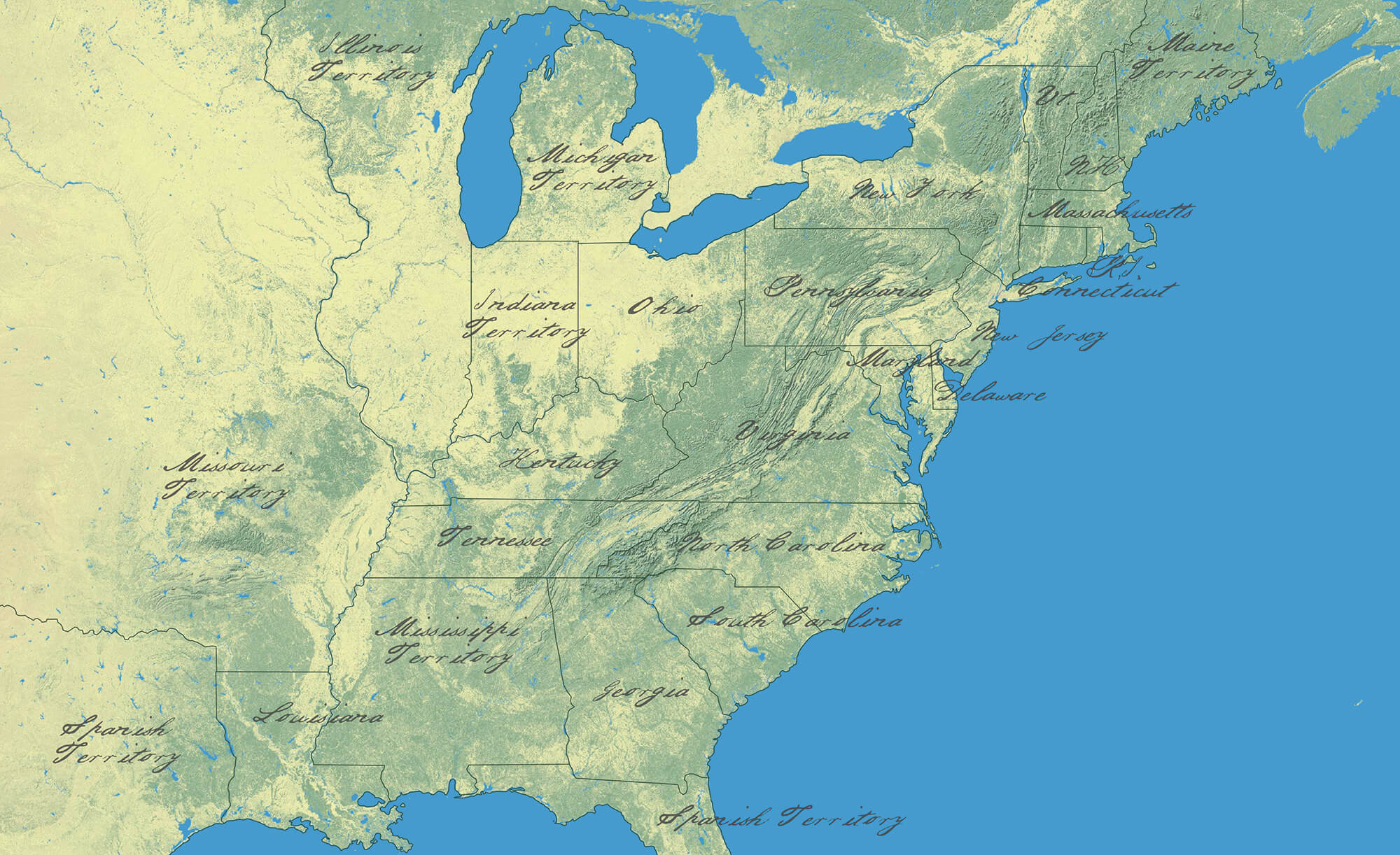
Battle of Fort Stephenson
Battle of Fort Stephenson The United States was only 36 years old as a country when it declared war once again on Great Britain.
www.birchard.org/content/battle-fort-stephenson
George Croghan - Historic Locust Grove
Following graduation from the College of William and Mary, George enlisted in the Army and was given charge of the garrison at Fort Stephenson, Ohio. His successful defense of the...
locustgrove.org/people/george-croghan
War 1812 | Fort Stephenson / Major Croghan
Following graduation from the College of William and Mary, George enlisted in the Army and was given charge of the garrison at Fort Stephenson, Ohio. His successful defense of the fort during the War of 1812 made Croghan a national hero.
touringohio.com/history/1812-war-5.html
Impressment and the War of 1812 (U.S. National Park Service)
“Without a press, I have no idea how our Fleet can be manned.” —British Admiral Lord Horatio Nelson
www.nps.gov/articles/impressment.htm



.png)


